Houston’s Favorite Flying Furries Need Your Help: Heavy Rains and Winds Increase the Number of Orphan Pups and Bats Needing Rescue
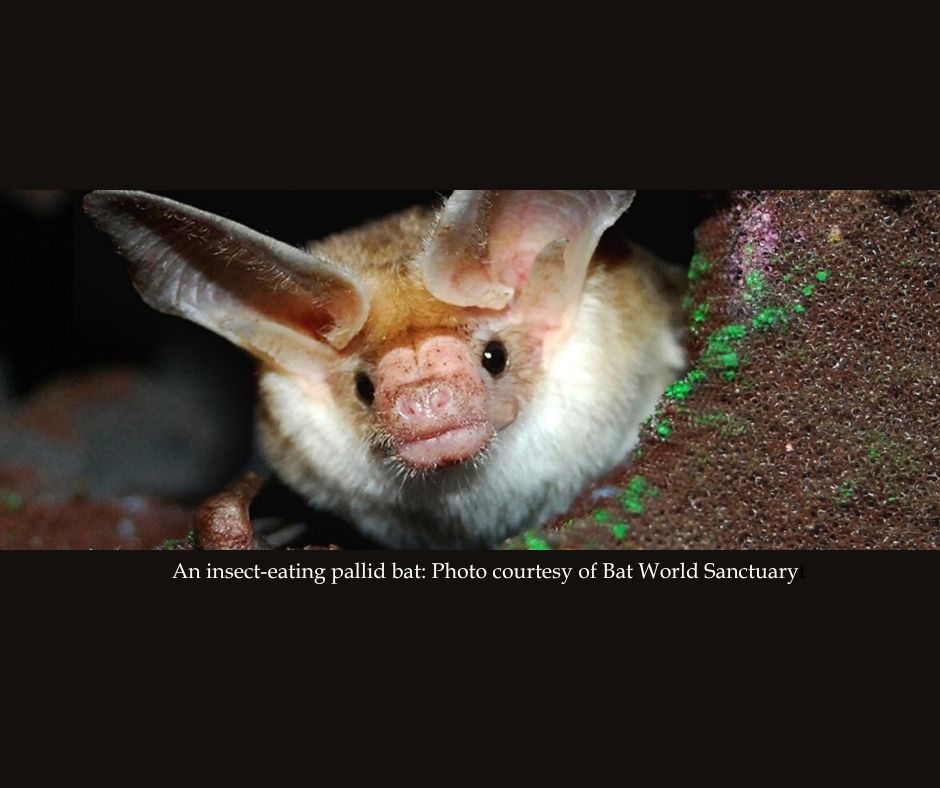
By: Nicole Cloutier
Summer brings heat waves, hurricanes and humidity, but did you know, it’s also the seasonal baby boom for our local bats?
June marks what is affectionately known as “pup season” for Houston’s many bat species. And, while, under normal circumstances, the breeding season progresses naturally, there are occasions when human assistance is needed. That’s where Houston’s volunteer rehabilitators come in. There are less than 10 volunteer bat wildlife rehabilitators in the greater Houston area that are permitted with Texas Parks and Wildlife. These are volunteers who have specialized training and vaccinations to ensure safe care and handling of bats. But, in a city as large as Houston, getting injured bats or helpless orphan pups to an authorized rehabilitator is often a challenge! Right now, rehabilitators are focused on feeding and caring for multiple recovering bats and sometimes are unable to leave to pick up another bat in trouble.
That’s where Bat World Sanctuary’s volunteer “transporter” program comes in. Concerned citizens can volunteer as “Ubers for bats” by picking up safely contained bats in need of care and delivering them to a permitted Texas wildlife rehabilitation specialist.
“These volunteers are a critical link in the chain of getting these tiny, fragile bats to urgent care,” said Amanda Lollar, founder and president of Bat World Sanctuary. “Out of compassion for these small creatures in need, these transport volunteers lend their time to save lives when no other option is available.”
That said, with the heavy storms, rains and winds, there is an increasing number of calls for bat rescue, but a shortage of volunteer drivers just when they are needed most. Bat World Sanctuary and the local rehabilitators are putting out a call for additional volunteers.
“Many times the caring people who find bats are simply unable to transport the bat to the nearest rescuer, and the rescuer is unable to retrieve the bat themselves because they have so many injured and orphaned bats in care,” said Lollar. “To leave means an orphaned bat does not get fed, or an injured bat does not receive treatment. On those occasions, it is heartbreaking to have a bat in need, but not be able to get it to a permitted rehabilitator for proper treatment. This is why we desperately need to expand our pool of drivers.”
Most bat species have long life spans, with some documented as living up to 40 years of age. But they have very low reproduction rates, with most of the species’ females only giving birth to one pup per year. At that rate, every bat saved is essential and every pup critical.
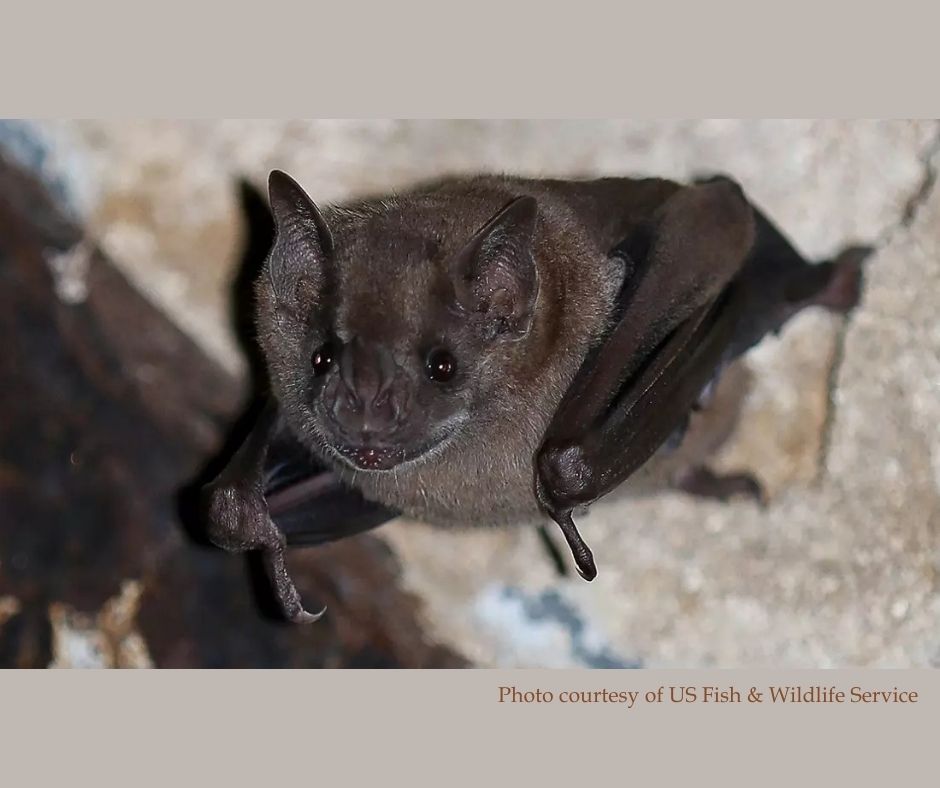
And, contrary to popular belief – our local bats are not the immense, wide-winged variety that are out to suck your blood or roost in your hair. Rather, Houston’s bats are relatively small. Known as microbats, they range in size from approximately 1.5 – 6 inches long. Mexican free-tailed bats (aka Brazilian free-tailed bats) are the most common in the U.S. – and they make up most of the residents at the large colonies near Waugh Bridge and even Bracken Cave, the world’s largest bat colony. But many people don’t know that these bats are only about 3-inches long. With fur, and sweet little faces, they are quite adorable and mostly harmless. The pups are born furless and many times with eyes closed, so they are helpless and vulnerable if separated from their mom or the colony.
The heavy rains forecasted for Houston this week, will make the separation of mothers and pups more likely. Mother bats sometimes fly with their pups underwing. When they encounter strong winds, either inflight or when taking refuge in a tree, they can be swept to the ground or inundated with rain. Once grounded, bats are unable to take flight. Ultimately they need to be positioned somewhere higher or back in a tree in order to re-attempt flight.
If a bat is injured, emaciated or otherwise unable to fly, Bat World Sanctuary recommends the following steps.
Important note: Do NOT handle the bat with bare hands and do not attempt to rehabilitate the bat on your own. Doing so could jeopardize your safety as well as the life of the bat.
- Gather a box, towel and thick gloves, even oven mitts will work.
- Ensure the box has a few small holes (¼ to ½ inch), does not have exposed tape adhesive, and can be closed completely.
- Wearing gloves, take the towel and gently lay it over the bat.
- Gently wrap the towel around the bat, as if it were a hot potato, and transfer it into the box. (Include the towel and, if possible, a small container of water. The lid of a jar or bottle works well. Do not offer food.)
- Contact Bat World Sanctuary to find your nearest permitted bat rehabilitator. A map showing volunteer rehabiltators can be found at: https://batworld.org/local-rescue/ or, if additional assistance is needed, you can contact Bat World Sanctuary staff at 940-325-3404.
Those interested in potentially volunteering as a transporter or rehabilitator can contact Bat World Sanctuary’s web site and complete this form to help save a future bat in need!
For those unable to volunteer, Bat World still reminds the public of the following tips to help support our local bats:
- PUT UP A BAT HOUSE: Provide much-needed habitat for the bats in your area.
- PLAN AHEAD FOR CONSTRUCTION AND GARDENING PROJECTS: Baby bat season runs from early April to late September, depending on where you live. Wait until the baby season is over for any home remodeling projects or bat removal/exclusion activities. And, because palm trees are critical habitat to Yellow Bats, avoid removing the dead palm fronds when you are doing your spring landscaping.
- CONNECT WITH BAT WORLD SANCTUARY ON SOCIAL MEDIA: BWS is on Instagram and Facebook so you can enjoy photos and educational information almost every day! And, if you know someone who is afraid of bats, please have them join the BWS page where they can learn more about bats, and BWS can dispel the many common myths and misconceptions about bats.
- LEARN MORE ABOUT OUR LOCAL BATS: Visit Buffalo Bayou Partnership’s free Friday Night “Bat Chats” and witness Houston’s own amazing bat colony emergence at Waugh Bridge or Watonga Boulevard Bridge. Other organizations, including Armand Bayou Nature Center and Houston Arboretum offer Bat Fest or Bat Night Hikes!
Learn more at batworld.org