Celebrate Endangered Species Day by Taking Action
by Susie Hairston
Endangered Species Day, this Friday May 15th, brings attention to the importance of protecting endangered species and their habitats. In the US, the Endangered Species Act is the means by which we have been able to protect endangered species. Since its enactment in 1973, the ESA has had a 99% success rate in preventing extinction of listed species, with species such as our national bird, the bald eagle, recovered enough to be delisted. Though the ESA has been successful in protecting wildlife it has listed, more and more wildlife has come under threat in the US and across the world due to human behavior. Habitat destruction, pollution, over-exploitation, and climate change are making it harder for wildlife to survive. At the same time, the current US administration is undermining the most successful way the US has been able to protect foreign and domestic wildlife. A recent poll showed that 84% of Americans think the US should focus on stopping endangered animals from going extinct. If you are one of those Americans, learn what you can do to help protect endangered wildlife.
Many scientists agree that we are going through a sixth mass extinction. Unlike the previous five mass extinctions, which were caused by non-human related catastrophic environmental changes such as an asteroid strike and volcanic eruptions, this one is mainly the result of human behavior. Species are disappearing faster than they can reproduce due to habitat destruction, pollution, and climate change. According to the World Wildlife Fund (WWF) Living Planet Report 2024, monitored wildlife populations have seen an average decline of 73% between 1970 and 2020. A 2020 Global Assessment Report from a UN report on biodiversity warns that one million of an estimated eight million species are threatened with extinction, many within decades.

Why is protecting endangered species and biodiversity important?
Many of us intrinsically understand that the fellow creatures with whom we share this planet have just as much of a right to survive and thrive as we do. The vast majority of Americans want to protect endangered species.
But beyond the moral and popular arguments is a completely valid self-serving one: Each creature plays a part in the larger ecosystem. If one species goes extinct, it can start a cascade effect that can destroy the whole ecosystem. And much as humans like to forget that we are part of nature, we are: we are part of the web of life and depend on the other creatures for our survival. An article in Monday’s New York Times (listed in our “What we are reading … “section below) covers just one of many stories of how the survival of all beings is interwoven with the survival of all the others. Ponderosa pines in the west are dying off and not coming back. This is devastating from the standpoint of losing these magnificent trees, but in addition, the loss of their shade leads to faster snow melt which, among other things such as increased wildfires, leads to water shortages for the rest of the ecosystem, including humans.
The world around us provides us with so many things that we need to survive — medicines, food, clothing, shelter. Without these things, we will be endangered. Some plants help filter pollution, cleaning our water and air, and sequester carbon. The beauties of our natural world , in addition to providing joy, help support communities through tourism dollars. For those concerned about the economy, the entire basis for our economy is the natural world. If we destroy it, there will be no economy to worry about.
Want to help to protect endangered species?
One way is to protect the Endangered Species Act, which is currently under threat.
A little about the Endangered Species Act:
What it does:
It aims to prevent species extinction caused by economic growth and development, and to recover populations so they no longer need protection.
The ESA protects well over 1000 endangered or threatened domestic species: charismatic mammals such as the Florida manatee, the grizzly bear, the North Atlantic right whale, and the gray wolf are some of the many animals protected by the ESA, which protects a broad range of species, including birds, insects, fish, reptiles, mammals, crustaceans, flowers, grasses, and trees. Currently, two fungi are protected as well.

Some Texas wildlife is also on the endangered list. The Houston toad’s population has so shrunk that it is no longer present in Houston; its survivors now live in Bastrop County. The whooping crane is a rare bird that winters on the Texas coast; the only group of breeding ocelots in the US live in the Rio Grande Valley. The Texas blind salamander and Kemp’s Ridley’s sea turtle are both endangered species whose home is Texas. The Attwater’s prairie chicken, a critically endangered bird that lives on its very own National Wildlife Refuge west of Houston, is on the brink of extinction due to habitat loss; the species is only alive today due to an intensive capture and release breeding program.

The ESA protects wildlife by not allowing any “taking”(capturing, harming, harassing or killing) of an endangered creature. Any species on the endangered list is not allowed to be transported between states for the purpose of selling them. The habitat necessary for the survival of an endangered species is designated as “critical habitat” and any destruction or disturbance of this critical habitat is prohibited since it constitutes a harm to the endangered species. In line with this, all federal agencies are required to ensure that any actions they take will not harm either the habitat of an endangered species or the endangered species. The U.S. Fish and Wildlife Service (FWS) manages land and freshwater species, while NOAA Fisheries Service handles marine species under the ESA. Both civil and criminal penalties can be used to punish those who violate the ESA.
The ESA also protects over 600 foreign species—including charismatic animals such as elephants, tigers, cheetahs, giant pandas, tigers, elephants, rhinoceroses, and clouded leopards, as well as other animals and plants. Because these animals and plants do not live in the US, they are protected differently than domestic wildlife. The US has rules that prevent foreign endangered wildlife from being imported, exported, or involved in commercial activities by U.S. entities. The purpose of these rules is to ensure that the U.S. in no way contributes to the decline and possible extinction of a foreign endangered species.

What it takes to get listed
Getting listed as an endangered species involves going through a rigorous scientific review and public comments. Anyone can submit a request for an animal to be listed as endangered. Once that happens, the agency to which the request was made (either U.S. Fish & Wildlife Service or NOAA) has 90 days to evaluate the evidence and make a determination; once they decide a particular species needs to be listed as endangered in order to survive, there is a 1 year public comment period. This allows the public, other agencies, corporations etc. to weigh in on whether they think this particular species should qualify for endangered status. Scientific evidence and data about over-extraction are the only factors that play a role in determining whether a species becomes listed as endangered. Economic considerations cannot play a role in determining whether a species should be listed.
How the ESA is being threatened, and what you can do to fight the rollback of protections:
One of the biggest threats to endangered species is the current U.S. administration’s attempt to rollback protections endangered species have under the ESA. Therefore, one of the most impactful things you can do to protect endangered species is to push back against these attempts to weaken the Endangered Species Act. We have already seen that if enough people come together to fight against these changes, we can win. Recently, the U.S. House was planning a vote on an Amendment to the ESA that would severely weaken it by, among other things, allowing economic considerations to take precedence over the ongoing existence of an endangered fellow-creature. People and organizations stepped up by showing up in person, emailing and calling their legislators, and as a result, the House decided not to bring it to the floor for a vote.
How members of Congress and the administration are trying and succeeding at undermining protections for endangered species:
There are several ways the government is trying to undermine the ESA. One of these is by redefining the word “harm” so that it does not include harming the habitat of the endangered species, even though the ESA clearly defines harm to a species’s habitat as harm to the species.

The other major way the current administration has stripped endangered wildlife of protections is by granting a waiver to the Endangered Species Act for oil and gas companies drilling in the Gulf. Because of this waiver, oil and gas companies do not have to consider the impact their operations will have on endangered species, will have to do nothing to protect them, and will suffer no consequences, if, for example they completely kill off every last critically endangered Rice’s Whale, one of the most endangered marine mammals in the world, with less than less than 100 individuals left.
What you can do:
Several organizations are asking concerned citizens to sign/write letters to their representatives in Congress asking them to support the ESA as is, and not allow the administration to undermine it.
The Endangered Species Coalition has an online letter you can send to your senators and representatives asking them both to reject the legislative attempts to undermine the ESA and to step in and revoke the waiver of the ESA for oil and gas companies. They also have an online campaign to write a letter to your US representative asking them to oppose the ESA Amendment Act of 2025. Though the House did decline to vote on this Act recently due to pressure, it is still possible for them to bring it to a vote if the public does not keep the pressure on.
The Endangered Species Coalition has other online letter campaigns to protect wolves, grizzly bears, and forest habitats.
Learn more about how Congress and the “God Squad” are trying to undermine protections for endangered species and then scroll down to take action with EarthJustice and tell Interior Secretary Doug Burgum that you want a strong ESA by modifying and signing on to the letter template. In addition to being the Secretary of the Interior, Burgum is also the chair of the “God Squad,” the high-level federal panel that decided to override the ESA.
As we saw with the recent attempt to amend the ESA, these actions do work when enough people write, show up, and call their legislators.
Donate to organizations such as EarthJustice, who have filed lawsuits against the administration over their undermining the ESA and waiving its protections.
Other ways you can help protect endangered species:
- Support organizations that work to protect endangered species:
- Want to support a broad range of wildlife?
- World Wildlife Fund protects endangered species and their habitats worldwide.
- Defenders of Wildlife focuses on protecting North American species through policy, legal advocacy, and science-based solutions.
- International Fund for Animal Welfare (IFAW) is dedicated to rescuing individual animals and conserving populations, including whales, elephants, and lions.
- Have a favorite animal?In addition to the fact that conservation organizations such as the World Wildlife Fund provides donors opportunities to support specific species, many species- based conservation groups exist. Vet them to make sure they are legitimate before making a donation.
- Want to support a broad range of wildlife?
- Sheldrick Wildlife Trust USA focuses on elephants.
- The Jane Goodall Institute for Wildlife Research, Conservation & Education focuses on protecting chimpanzees.
- Dian Fossey Gorilla Fund focuses on the conservation of endangered gorillas.
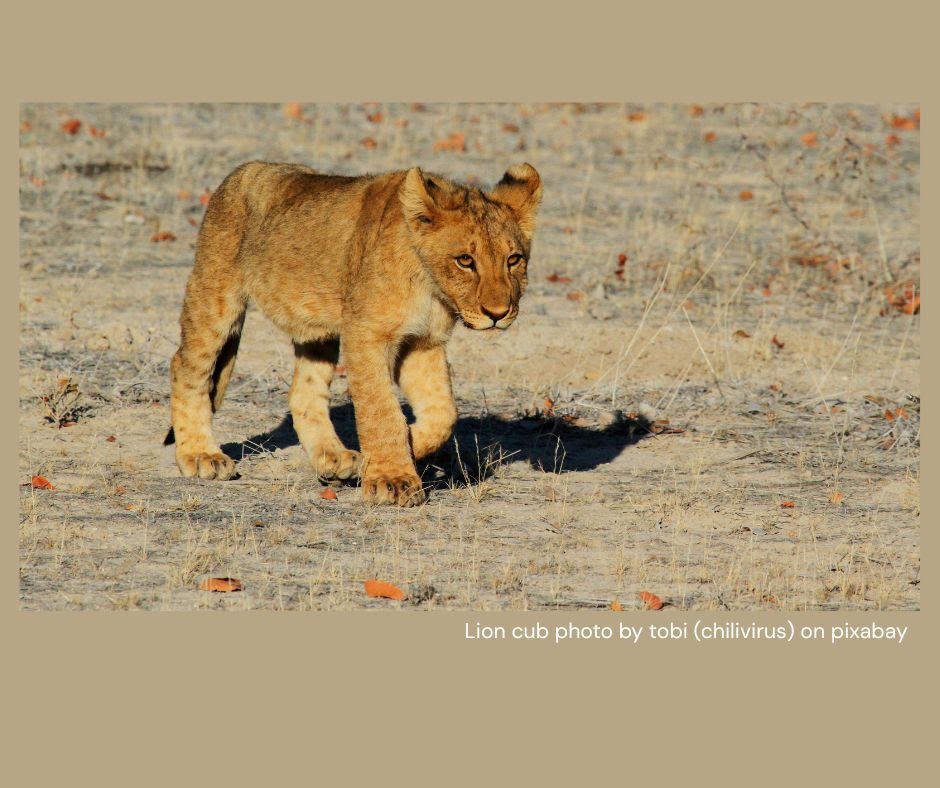
- The Houston Zoo works with conservation partners to protect wildlife around the world, some of which are listed as endangered under the ESA, specifically: Asian elephants, Galapagos tortoises, gorillas, lions, lowland tapirs, giraffes (have been nominated for listing as endangered under ESA), Ring-tailed lemurs, orangutans, and sea turtles.
- Want to support a Texas endangered species?
- Texas Native Cats focuses on protecting the remaining Texas native cats we have — one of which, the ocelot, is endangered.
- Houston Audubon helps protect the endangered whooping cranes as well as other endangered birds by protecting habitat along the Gulf Coast.
- The Houston Zoo has breeding programs for the endangered Attwater’s prairie chicken and the Houston toad, which you can donate to; they also rescue and rehabilitate sea turtles and provide support to protect whooping cranes.
- Wildlife Habitat Federation and the Coastal Prairie Conservancy protect and restore what is left of native prairie habitat for the benefit of all wildlife, including endangered species, and, by preserving the prairie, an ecosystem that is itself endangered, help ensure that other species do not become endangered.
- Want to support a Texas endangered species?
- Support wildlife in your own yard by planting natives, providing water, eliminating pesticide use, and creating a habitat for migratory and other animals.
Resources and References:
https://defenders.org/blog/
https://msutoday.msu.edu/news/
https://news.un.org/en/story/
https://www.epa.gov/laws-
https://www.fws.gov/story/why-
https://www.ifaw.org/journal/
list of all endangered species on the US fish & Wildlife Service site: https://ecos.fws.gov/ecp0/