Celebrating Wetlands and the local organizations who protect them
by Susie Hairston
What are wetlands?
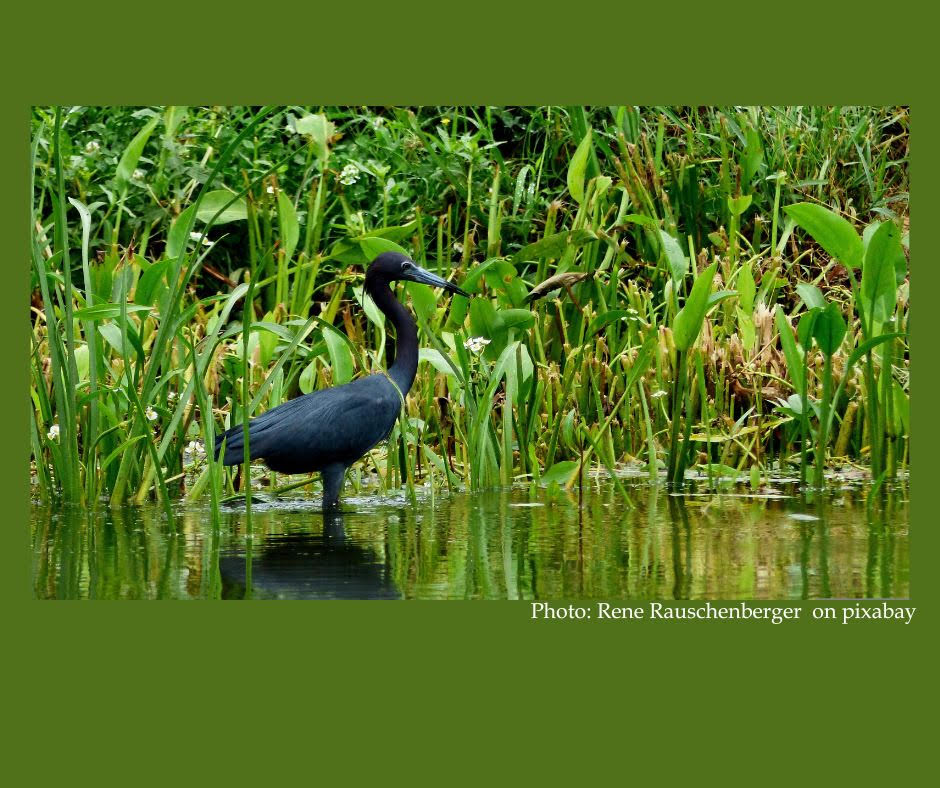
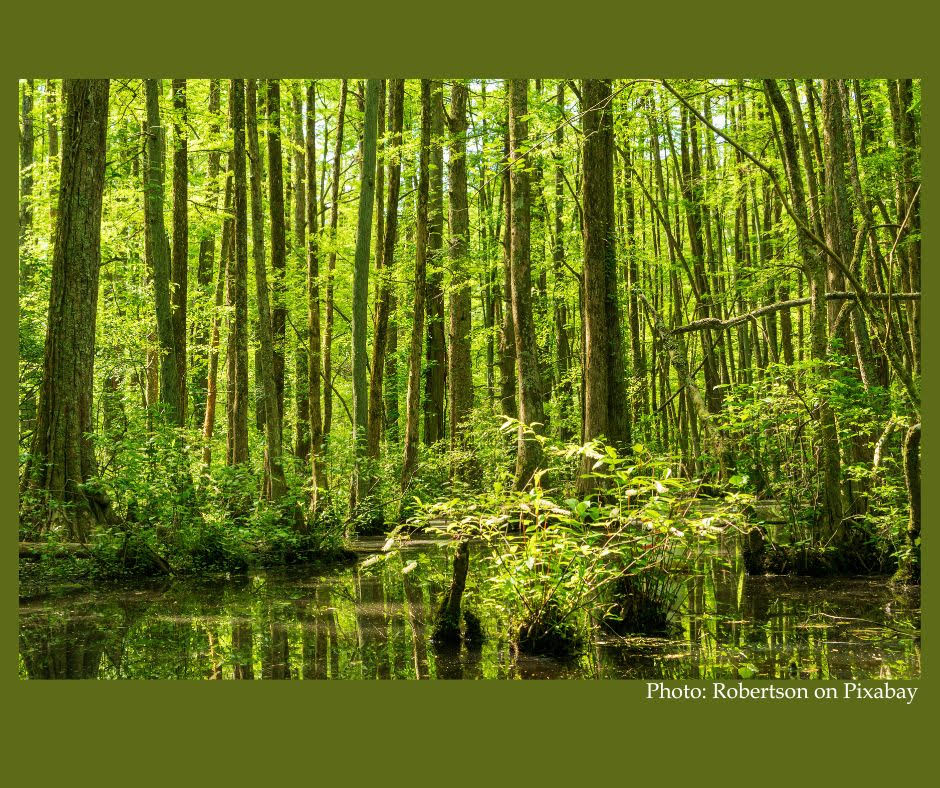
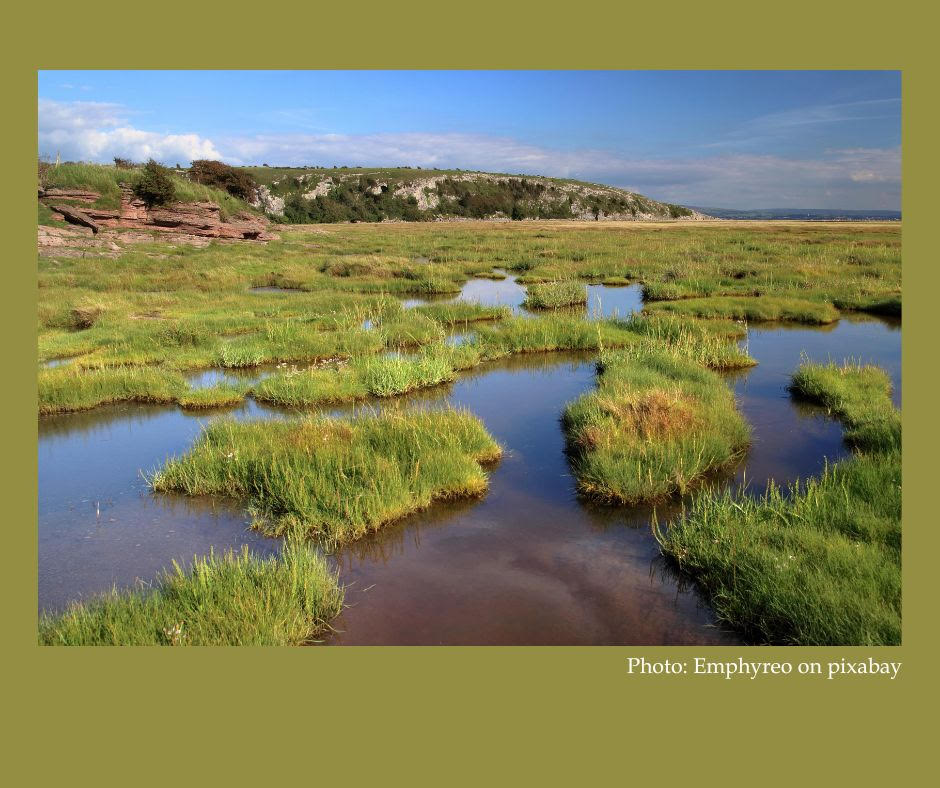
Wetlands are the area where water and land meet. They can be flooded year round or seasonally. Many types of wetlands exist. The two main categories of wetlands are saltwater and freshwater with water coming from oceans, rivers, and lakes. The Texas coast contains a wide range of wetlands: tidal flats in Galveston, prairie potholes (small depressions that are filled with water in winter, but covered with grasslands in the summer) near Katy, and bottomland hardwood forested wetlands in Liberty and Montgomery counties. Houston’s Galveston Bay Watershed contains 120,000 acres of wetlands: healthy swamp, fresh marsh, brackish marsh, natural ridges, flood plains, bottom lands, and other wetland habitats. Bayou City Waterkeeper has a beautiful and comprehensive story map about wetlands that I urge you to take a look at.
Why are wetlands valuable?
- Acre for acre, wetlands protect and are home to more species than any other habitat on earth.
- Often called the planet’s kidneys, they filter toxins and sediment out of water to purify it.
- They provide breeding grounds and food for many aquatic species, birds, and other animals.
- They help protect against flooding as they can hold massive amounts of water for weeks.
- They store huge amounts of carbon, significantly more than forests, and thus help mitigate climate change.
- They cool the surrounding air through a process called evapotranspiration, helping mitigate the urban heat island effect.
- They provide nursery habitat for over 90% of the recreational and commercial fish species found in the Gulf of Mexico.
- Coastal wetlands buffer for tides and storm surges and reduce shoreline erosion.
Despite their value, for hundreds of years many people in the US saw wetlands as wastelands and either used them for dumps or filled them in to create more land for building on. For example, 1/6 of the city of Boston was built on filled-in wetlands. “Upwards of 80% of the San Francisco Bay area’s historic tidal wetlands were destroyed by 19th and 20th century development.”
In our day, natural wetlands are declining at a rate of 0.78% per year, well above the rate of natural deforestation.
What is currently threatening them
- development: the draining and filling of wetlands for development and agriculture remains one of the primary threats to wetlands
- pollution
- climate change – Sea-level rise and coastal storms contribute to the loss of coastal, vegetated wetlands
General statistics on wetlands loss, globally, nationally, and locally
Globally
- “globally since 1970, an estimated 411 million hectares of wetlands — approximately 22% of the global total — have been lost, with an ongoing annual decline of 0.52%”.
- “Degradation now rivals outright loss. Around 25% of the remaining wetlands are in poor ecological condition, and this proportion is increasing in all regions.”
Nationally (US):
- According to a 2024 Fish & Wildlife Service report, 50% of U.S. wetlands were lost between 1787 and the present. 50% of that loss occurred between 2007 and 2017
- As of 2019, wetlands covered less than 6% of the lower 48 states
Locally:
- According to Bayou City Waterkeeper, at least 1/2 of all the wetlands in our watershed have been lost due to unprecedented and uncontrolled development
- Between 1992 and 2010 the 8-county Houston region has suffered significant loss
- 80% of the total freshwater wetland loss in the lower Galveston Bay Watershed occurred in Harris County
- During this time period, Harris County, lost nearly 30% of its wetlands (roughly 15,855 acres)
Organizations that work on wetlands and opportunities to get involved:
Through research and reporting:
The U.S. Fish and Wildlife Service produces and distributes maps and other geospatial data on American wetland and deepwater habitats, as well as monitors changes in these habitats through time.
Through advocacy and education
Bayou City Waterkeeper protects the Houston area’s wetlands by advocating against the over development of wetlands by using the Clean Water act as a tool for change to help guide their legal strategy. They educate the community on wetlands through guided wetland’s walks, their interactive wetlands mapping tool, and the “5 critical wetlands story map.” They also maintain an online survey where citizens can report wetlands at risk in their neighborhoods.
Through protecting and restoring existing wetlands:
Armand Bayou Nature Center, one of the largest urban wilderness preserves in the US, both preserves and restores the habitats and the wildlife in those habitats (which include 4000 acres of natural wetland forest, prairie, and marsh habitats) once abundant in our region and educates and inspires people of all ages to explore, respect, and protect nature and our vital local ecosystems for generations to come.
They have several volunteer opportunities.
Artist Boat promotes awareness and preservation of coastal margins and the marine environment through the disciplines of the sciences and the arts and conserves and restores costal land including wetlands in their Coastal Heritage Preserve Initiative. Volunteer opportunities are available at Habitat Workdays on the Coastal Heritage Preserve.
Bayou Land Conservancy: preserves land, including wetlands, within the watersheds that feed into Lake Houston, primarily within northern Harris and Montgomery counties. In doing so, they are protecting our water quality, including the main source for the City of Houston’s water, and our local habitats, and giving floodwaters room to flow.
You can volunteer with them to help remove invasive species and improve the health of wetland and other ecosystems.
Bayou Preservation Association’s Stream Corridor Restoration program focuses on improving the physical condition and function of bayous and streams where land and water meet. This work supports urban water quality by stabilizing stream banks, improving riparian conditions, and reducing erosion and sediment impacts in targeted locations.
BPA needs volunteers for a variety of projects.
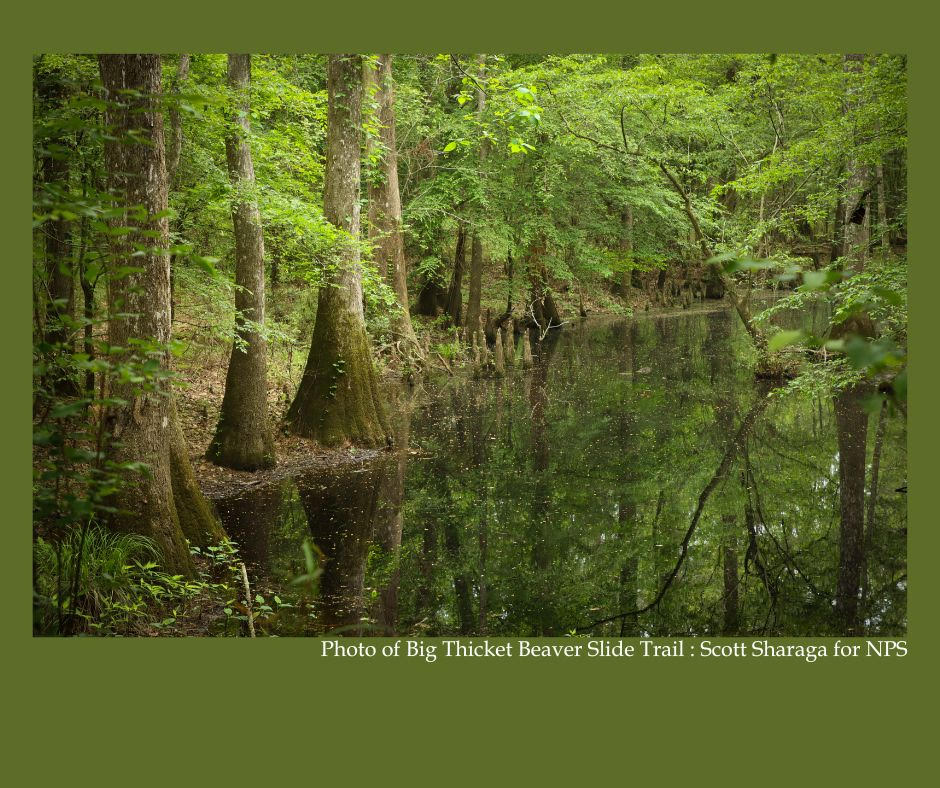
Big Thicket Association — The Big Thicket Association’s mission is to preserve, protect, and promote the Big Thicket region (40% of which is wetlands), its natural resources and cultural history, for the enjoyment and well-being of present and future generations through advocacy, education, and research.
Find out about volunteering.
Coastal Prairie Conservancy: conserves, protects, and restores prairie and wetlands on the Katy Prairie and across our region.
You can help plant out on the Katy Prairie or at various pocket prairies CPC established around Houston. Check out their volunteer opportunities.
Cypress Creek Flood Control Coalition advocates for preservation of the existing riparian corridors along the main channel and the primary tributary channels of the Cypress Creek Watershed for purposes of (1) floodwater conveyance, (2) keeping the forests intact, (3) preserving the existing wildlife habitat, (4) capturing surface pollutants before they enter the main channels, (5) preservation of highly valued wetlands, and (6) developing trails, parks, and other recreational amenities.
The Galveston Bay Estuary Program (GBEP) is a non-regulatory, TCEQ-led initiative, one of 28 National Estuary Programs, dedicated to preserving and restoring the Galveston Bay ecosystem. GBEP prioritizes habitat protection—specifically wetlands, marshes, and bay shorelines—through partnerships, research, and the implementation of the Galveston Bay Plan’s comprehensive conservation strategies.
Galveston Bay Foundation has restored over 990 acres of this vital coastal habitat. Their conservation efforts focus on a wide range of habitats including freshwater and estuarine wetlands, tallgrass prairies, coastal forests and agricultural lands. In addition to acquiring land to conserve, they work with landowners to reduce erosion while supporting plant growth, marsh creation and improving water quality. To date, Galveston Bay Foundation has protected over 22 miles of shoreline and restored nearly 52 acres of salt marsh through their Living Shorelines program.
Volunteer with Galveston Bay Foundation.
Galveston Island Nature Tourism Council and partners have established, maintained and made accessible to the public, through tours and a 1/2 mile nature trail, 675 acres of coastal prairie and wetland at the East End Lagoon Nature Preserve.
Volunteer with GINTC.
Greens Bayou Coalition: is focused on protecting Greens Bayou and its environs in order to reduce flood risk, restore water quality, and revitalize native habitats for the enjoyment, health and economic benefit of the community.
They hold tree plantings, invasive species removal events, and participate in water quality monitoring projects such as the Texas Stream Team. Sign-up to volunteer.
Save Buffalo Bayou advocates for natural solutions to restoring the banks of Buffalo Bayou, investigating and educating the public about why keeping the bayou’s natural state, including its trees and vegetation, is better for flood control and the ecosystem than straightening or clearing it.
Texas A&M AgriLife Extension Service DAR Mitigation – Texas Community Watershed Partners has worked within the Houston-Galveston region through their Wetlands Restoration Program to restore acres of wetlands in the local community, returning to our community greater access to nature. They also educate the public about the importance of wetlands.
The Student Conservation Association (SCA) works, in our area, to educate the public about watershed management in the Sims bayou and White Oak Bayou Watersheds, watersheds that are polluted with fecal bacteria, excessive nutrients, and legacy pollution, and to restore riparian habitats (wetlands) and do trash clean ups to help improve the water quality in these watersheds.
White Oak Bayou Association advocates for the preservation, restoration, and maintenance of the natural wildlife habitats thereof, while promoting compatible educational and recreational opportunities within the area in order to promote greater public awareness, appreciation, and enjoyment of White Oak Bayou, its tributaries and environs. They have established and continue to maintain a pocket prairie on White Oak Bayou.
Check here for volunteer opportunities.

Through developing and maintaining new wetlands:
Exploration Green Conservancy converted a golf course into a 200-acre project that provides storm water management, wildlife habitat, community recreation, and educational opportunities. It is home to more than 1,000 native species and includes 40 acres of wetlands and permanent stormwater management lakes for exploration.
Exploration Green has many volunteer opportunities, including wetland planting.
Houston Arboretum and Nature Center’s wetlands were designed to manage stormwater runoff, improve water quality, and provide wildlife habitat/biodiversity to the area rather than being original, untouched, natural wetlands.
Houston Parks Board (HPB) has established and/or restored multiple wetland habitats along Brays, Halls, Hunting, and Greens Bayous since 2019. HPB received a National Estuary Program Watershed grant in 2024 which will fund eight (8) new wetlands across the Bayou Greenway trail system, furthering efforts for connectivity and resilience while expanding into Sims Bayou.
HPB needs volunteers to help with planting more wetland sites. Their next planting will be May 2026.
Resources and references:
“Climate Action and Waste Reduction: Wetlands, the forgotten carbon sink that can help mitigate impact of climate change” December 21, 2023 World Economic Forum https://www.weforum.org/
https://abag.ca.gov/news/bay-
https://bayoucitywaterkeeper.