Watch and wait: How to help your frozen garden recover
by Susie Hairston
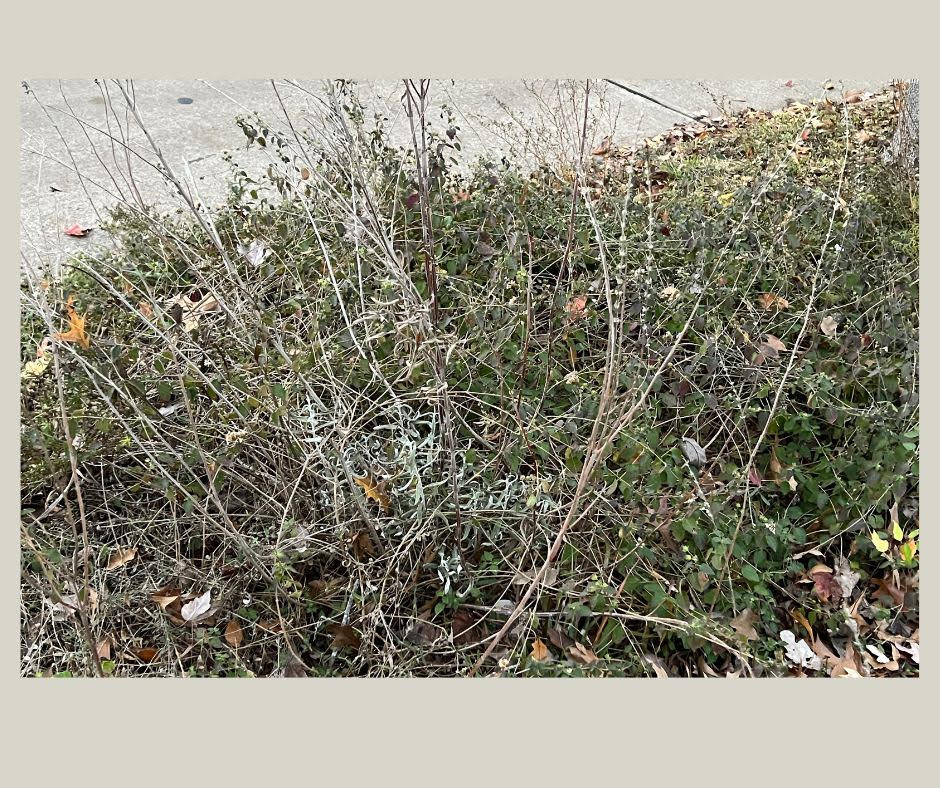
Okay, so you didn’t get a chance to cover your plants, or you did, and they still aren’t looking great after the freeze; you are possibly thinking all is lost. Don’t. Many plants, even natives will look dead, brown and black with dried or oozy leaves, but are still alive and will grow back, though the part above ground will be unlikely to recover. I am thinking here of my fire spikes that have been in my backyard since I moved here decades ago and whose leaves are now turning into a slimy mess that will soon be dripping off their blackened stalks, but which I know, from the experience of many previous freezes, will come back from the ground in the spring.
Too many of us are ready to declare plants DOA after a big freeze. Patience is the word of the day. Save yourself money and help keep your eco-system strong. Rather than rushing to dig up what is there and get new plants — wait and see if the existing plants make a comeback. Many plants will appear dead above ground, but will be very much alive beneath the soil and send up new shoots in early spring; by late spring, they will be thriving and looking as well established as if the freeze had never happened. A plant that can do this is a plant worth keeping as it has established strong deep roots and the ability to survive winter after winter.

Tip one:
No matter how horrible something looks — think of the slimy fire spike leaves mentioned above — do not assume it is dead and pull it out of the ground right away. It is normal for plants to take a beating during a freeze but still survive. Leaving them in the ground and not immediately trimming back dead leaves and stalks will help protect the plant in the event of another freeze that might hit before winter is totally over and, as Doreen Gallevo of the Houston Chapter of the Native Plant Society of Texas (NPSOT) told me the other day, “will protect and provide habitat for critters and creepy crawlies that overwinter in the leaf litter, and in pithy stems and such.” These beneficial insects and worms are important for plant and soil health and provide much needed food for birds and other wildlife.
I know sometimes it is hard to look at the devastation of your garden after a freeze and not try to clean it up right away, but just as you leave alone a cut that has an unsightly scab so the healing process can happen, you have to leave the wounded part of your garden alone so it can heal and be whole again.

One way to make it more palatable to wait a few months to cut back the dead parts of frozen plants is to mix some plants into your garden that will stay green or even flowering during a freeze, such as Yaupon holly with its red berries, bay laurel, and other evergreens. You can also grow flowering natives and herbs in pots that you bring in during a freeze and put back out to add color after the freeze.

Tip two: things you can do for your plants to help them recover:
- if you do have slimy leaves, you need to clean those up as they can lead to fungal infections and rot in the rest of the plant. But leave the dried stalks and leaves.
- water your plants as cold can dehydrate them
- do not fertilize as this can inspire new growth that will be susceptible to another freeze
- cut back the dead material in spring (late February or March) after new shoots have started lower down on the plant.
Tip three:
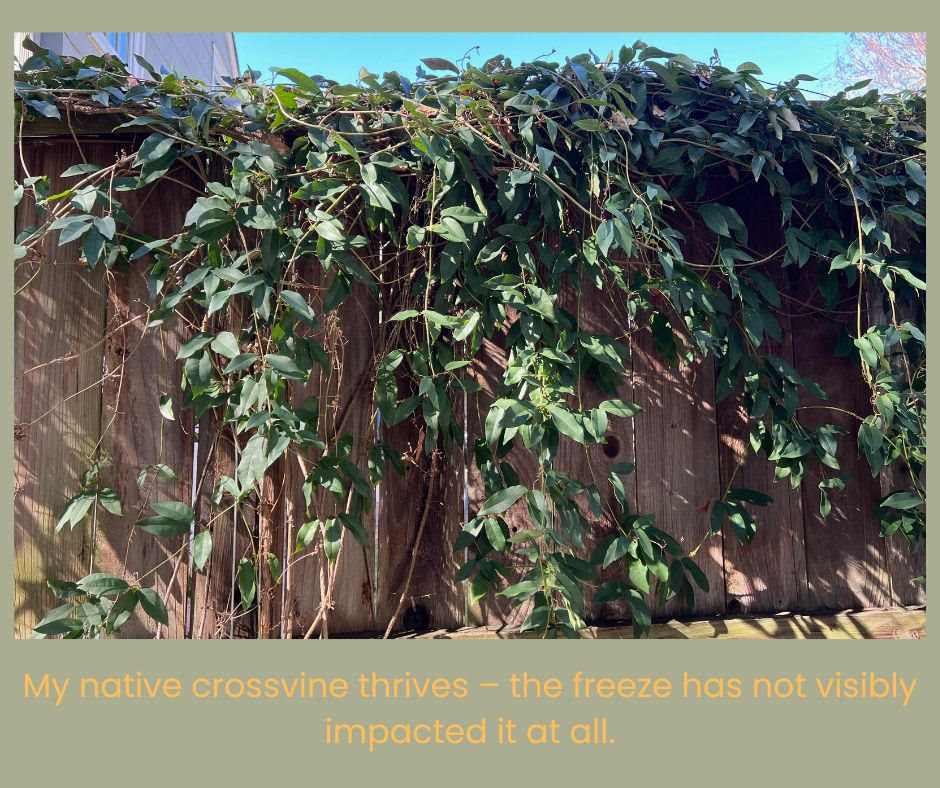
I see a freeze like this as an opportunity to take a good hard look at your garden and assess which plants did extremely well all by themselves, which survived with minimal effort on your part, and which are probably going to die off every time we have a freeze and have to be replanted every spring. I also take a look at what did well around the neighborhood and create a list of potential replacements/additions. With the exception of plants I am absolutely in love with, like my dwarf bottlebrush bushes that my bees also love, I have used these occasions to replace something that cannot live through a freeze or can, but only with extensive covering and pampering, with a native plant or pollinator.

Native plants are a great choice for replacement of plants that are not making it winter after winter. As Doreen from NPSOT points out, in addition, to creating a healthy ecosystem and supporting local wildlife, they also tend to be hardy and survive the extreme weather, droughts, cold, and heat that we experience here in Houston, saving you time and money.