Human Noise is Harming Wildlife
by Susie Hairston
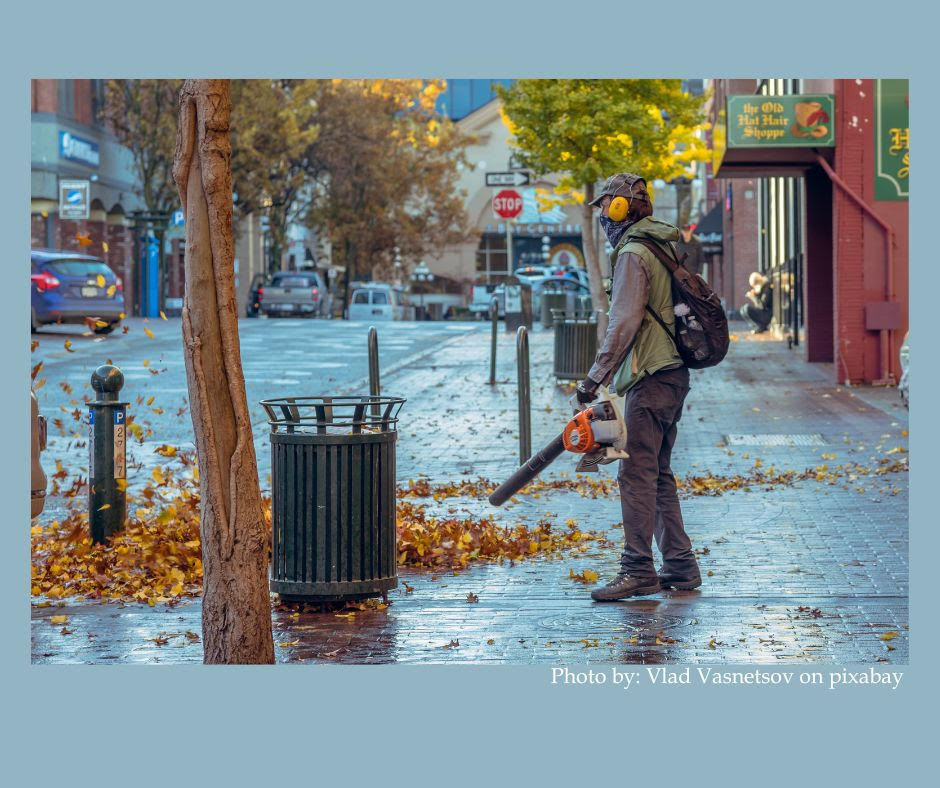
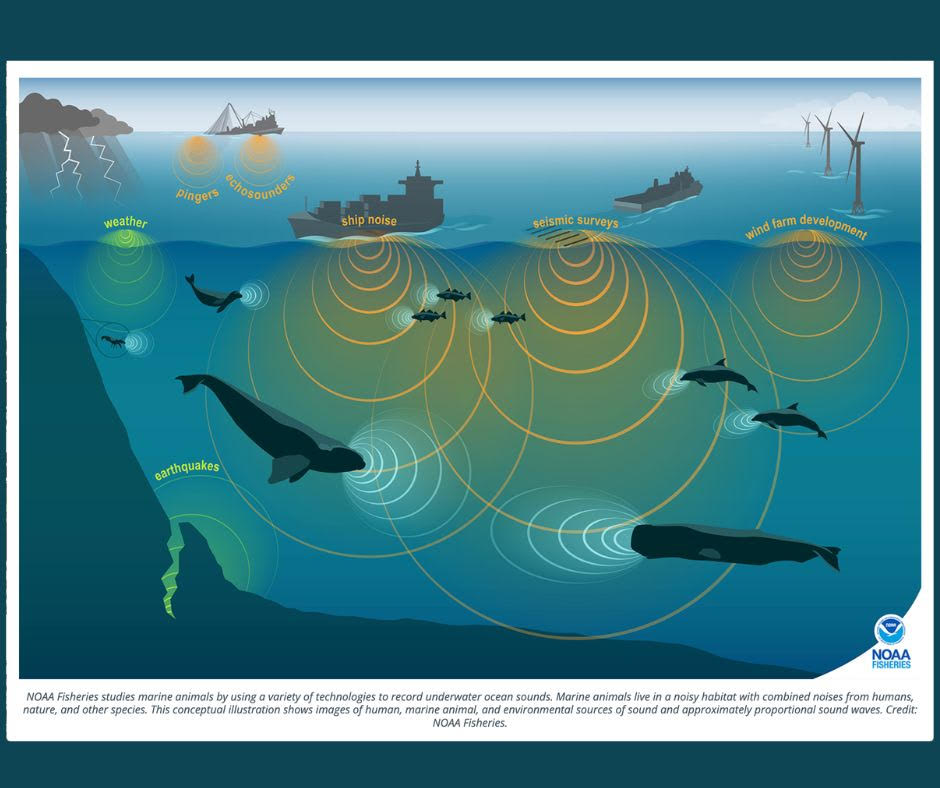
Humans disrupt animals in many ways – by destroying their habitat, adding light pollution, poisoning our water, air and land, changing our shared climate, introducing invasive species into ecosystems, etc. But there is another way we disturb animals that we could work on — we are too noisy. Researchers have identified human factors like transportation, development ,and extraction activities like felling timber, mining or drilling for gas. as being harmful. On land, we use loud equipment like leaf blowers, lawnmowers, planes, cars, and industrial equipment that emit noise that is harmful. And, according to the World Ocean’s Day Organization, “Shipping traffic, seismic surveys for oil and gas, military sonar, and offshore development all add powerful human-made sounds that travel far underwater. These noises can mask communication, disrupt migration and feeding, cause stress, and in some cases lead to injury or strandings” of marine animals.
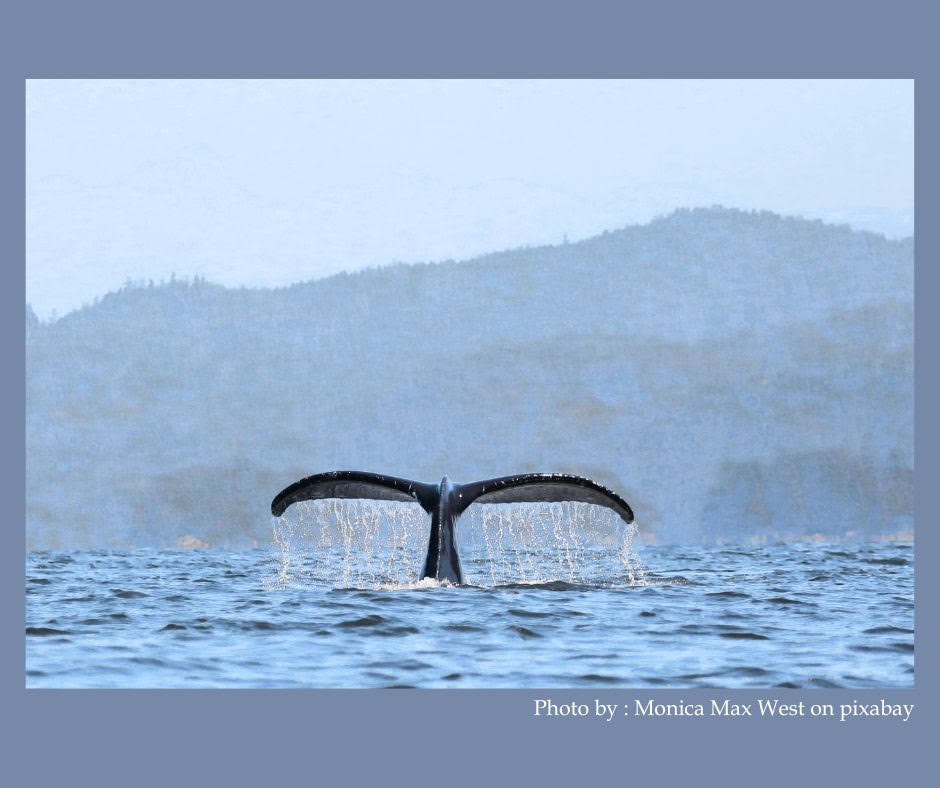
Most of us are familiar with the serious harm done to marine mammals and fish by seismic testing used by the oil and gas industry during exploration and sonar used by the military. We have known for many years that noise from ships, sonar and industrial activity can disrupt vital communication between whales and physically damage their hearing. If severely disoriented by noise, whales can even become stranded and die.
According to scientists at the Scripps Whale Acoustic Lab, “the background levels of anthropogenic ocean noise have doubled every decade over the past 60 years — from commercial ship traffic, underwater oil and gas extraction, and other industrial or military activity. ‘We’re essentially scouring the ocean of [natural] ambient sound.’”
But marine animals are not the only animals harmed by noise. Scientists have been documenting harms to many species related to noise pollution “affecting the way they mate, communicate, hunt, and navigate. Scientists have documented everything from changed vocal patterns in birds to fewer animals in noisy locations. Noise pollution can even hurt species like eels, making them slower to react in dangerous situations.” A study of prairie dogs near Fort Collins, Colorado showed that noise from ongoing human activity, including oil and gas extraction, caused the prairie dogs to forage less and watch for danger more, behavior changes that can lead to weakness from less food intake and stress from worrying about danger more. According to the National Park Service, “The endangered Sonoran pronghorn avoids noisy areas frequented by military jets; female frogs exposed to traffic noise have more difficulty locating the male’s signal; gleaning bats avoid hunting in areas with road noise”
Human voices are also damaging to animals as some land mammals fear the sound of human voices as much as they fear the sound of top predators. Giraffes, elephants, leopards, and antelope have been known to flee a watering hole at the sound of a human voice, threatening their ability to survive.
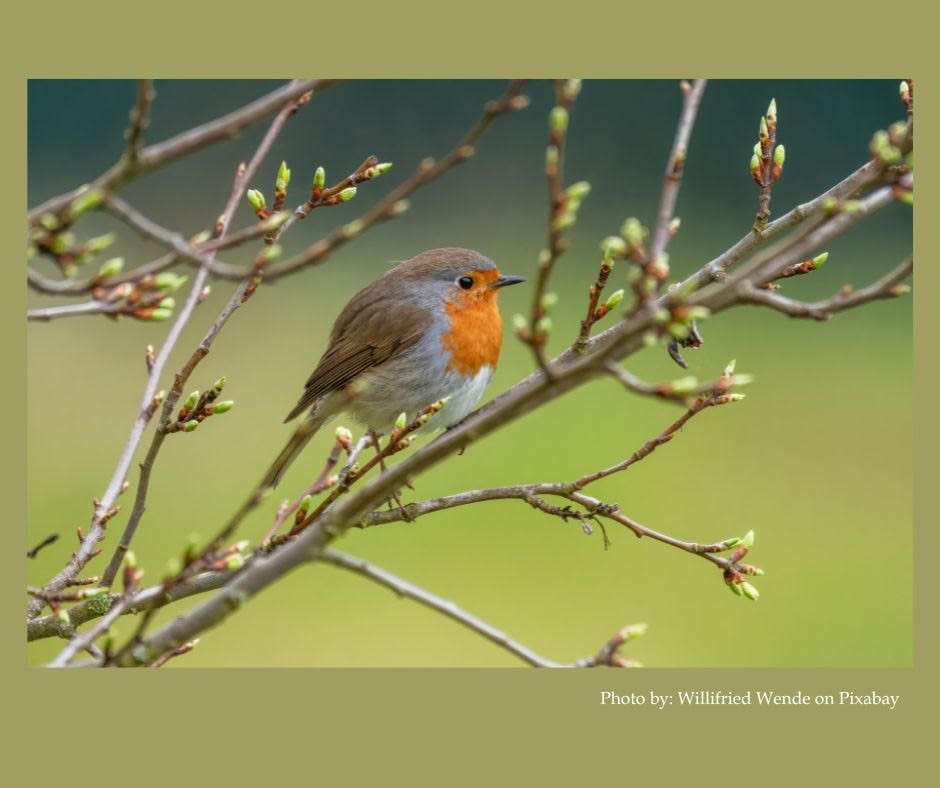
A recent meta-study (one that looks at data from many studies on a subject) on the impacts of human created noise on birds determined that human noise adversely affects many aspects of bird behavior. Like many animals, birds depend on hearing to find a mate, avoid predators, and find food. Background human noise makes it difficult for them to hear messages from their own species and this can cause birds to sing more loudly or differently, change where they live, and have difficulty mating. Birds living in urban areas experience more stress. The authors of the study indicate that the serious decline in birds (the loss of 3 billion breeding adults since 1970) is in small part due to noise disruption. Habitat loss and pesticides are still considered the main drivers of the decline.
Solutions
As the Earth Journalism Network points out, ‘The good news about noise is that it can be removed.” And some scientists are working on something called “acoustic cloaking” that will divert sound waves and may be able to be used to block sonar from impacting ocean animals. But meanwhile, what can we do?
We may not be able to directly do anything about noise pollution in the oceans, but quite a few of us have a modicum of control of our own environment on land. We can help eliminate noise pollution from our immediate surroundings for ourselves, our neighbors, and wildlife in the immediate term by transitioning from gas powered leaf blowers, whose noise and air pollution levels are dangerous to both humans and wildlife to quieter electric models, or better yet, brooms. We can also transition to quieter electric mowers. We can refrain from blaring music in outdoor spaces. And when visiting zoos and aquariums, we can encourage children not to tap on glass or yell loudly around the animals. If we have yards, we can create quieter backyard space for ourselves and wildlife by building a fence with no gaps, layering vegetation on and in front of the fence, and even building a fence with sound absorbent material.
If you are looking for systemic collective action, watch for local and national regulations that will impact the exposure of marine animals to noise.
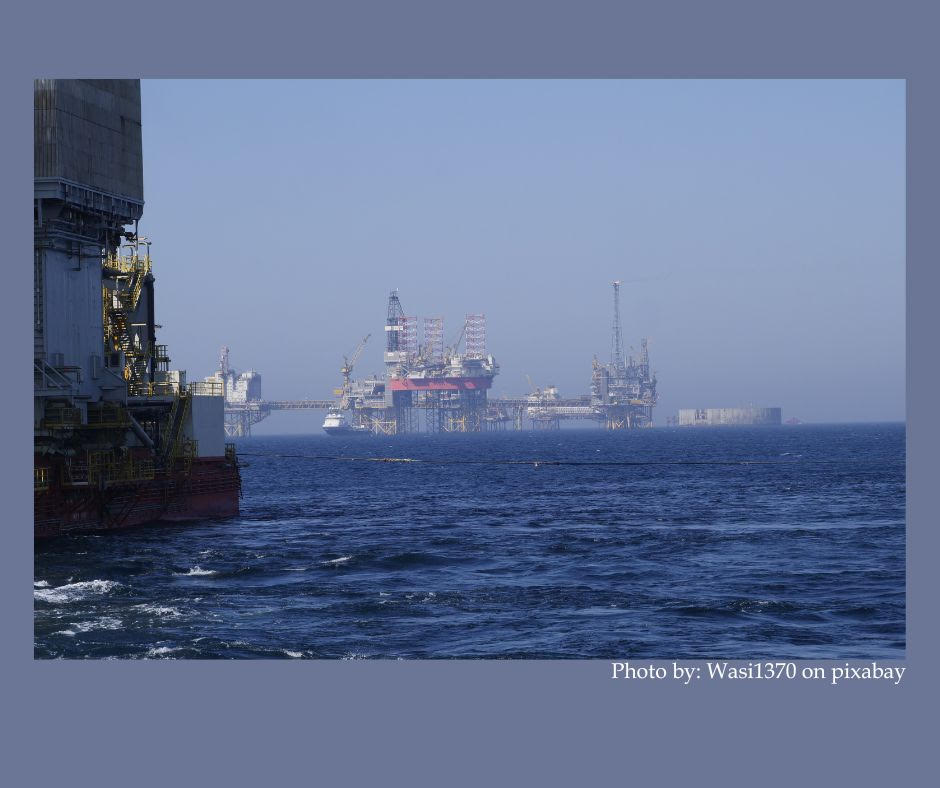
At the moment, there is a moratorium on the use of seismic air blasts for oil and gas exploration in the Atlantic, but the current administration just ended a comment period on a proposal to open up more of our coastlines and oceans to oil and gas drilling, which will lead to the exposure of marine animals to damaging seismic noise due to testing. The Surfrider Foundation is asking for individuals to Tell Congress to Protect Our Coasts from Offshore Drilling:” Complete with talking points, the option to customize your own letter, and to email your Congress members right from their site, this presents an easy way to express your concern about harming marine wildlife with noise and other dangers.
Keep an eye out for opportunities to write letters, make comments, and reach out to elected representatives. Follow organizations that work on protecting marine wildlife such as the Sierra Club, Earthjustice, the Ocean Conservancy, the World Wildlife Foundation, and the Surfrider Foundation.
Encourage the adoption of laws that require all protected areas to manage “soundscapes” as the National Park Service does.
Support the adoption of Blue Speed initiatives like the ones in California and the EU that encourage or require ships to slow their speeds, which reduces the noise they produce and the carbon emissions, and lessens the likelihood of boats striking and injuring or killing marine animals.
Resources and References:
Blakemore, Erin. “Humans Are Making Too Much Noise—Even in Protected Areas
Turns out that protecting natural areas doesn’t give animals much peace and quiet.” Smithsonian Magazine. May 15, 2017. Web. Accessed 2/22/2206.
Durepo, Aiyanna. “Counting Deaths, Not Damage: What the US Navy’s Environmental Review Leaves Out.” Earth.Org. January 23rd 2026. Web. Accessed. February 23, 2026 https://earth.org/counting-
Encourage the adoption of laws that require all protected areas to manage “soundscapes” as the National Park Service does. The National Park Service actively manages its soundscapes, “but U.S protected area laws don’t require any kind of management.”
Ensia. “Animals to Humans: Be quiet already.” Earth Journalism Network. 06 June 2016. Accesses 2/23/2026 https://earthjournalism.net/
https://earthjournalism.net/
https://earthjustice.org/case/
Ionescu, Andrei. “Human noise is stressing birds worldwide—but we can help.” Earth.com. 2/16/2026. https://www.earth.com/news/
Ogden, Lesley Evans. “Watch How Animals React to the Scariest Sound on the Savanna
When confronted with recordings of human voices, 19 species fled instantly, while they were less frightened by lion sounds and other potentially threatening recordings.
https://www.nytimes.com/2023/
“Synthesis of Studies on the Effects of Noise.” https://www.nps.gov/articles/