Fall Migration is Here! Let’s help our winged friends have a safe journey!
by Susie Hairston
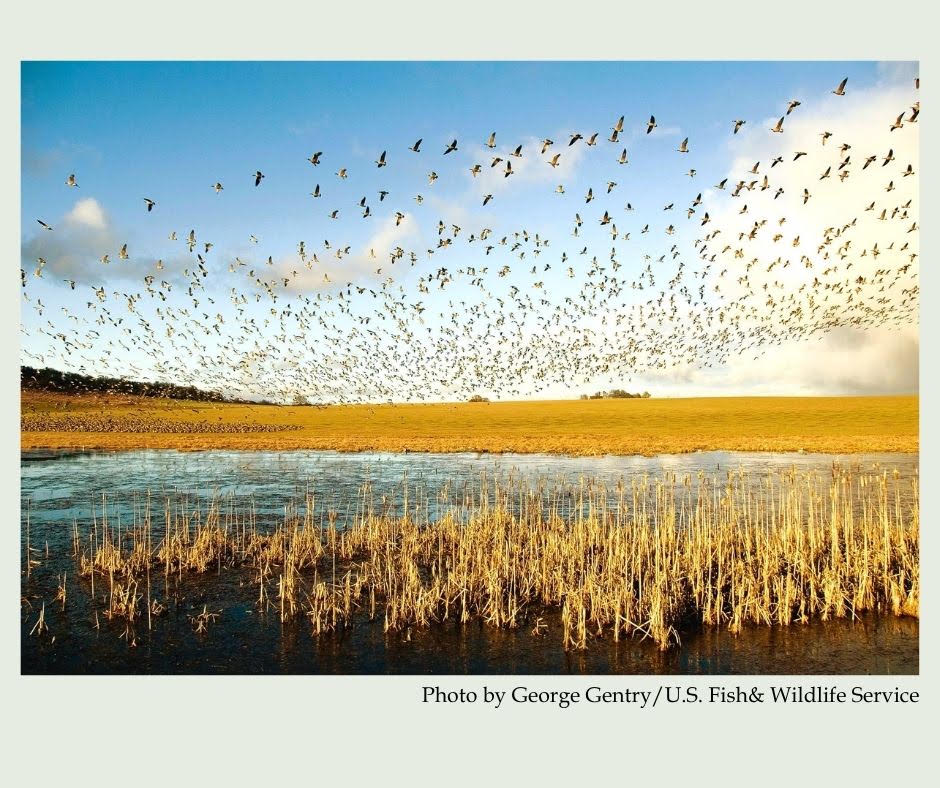
Fall migration is here, and we are in just the right spot to enjoy the beautiful birds and monarch butterflies as they pass through. We are also in the perfect position to help supply these beautiful beings with food, water, and a safe place to rest before they continue their arduous journey south.
Houston is fortunate enough to be in the Central Flyway, the migration path of 1 in every 4 birds that fly through the US during fall migration (August 15th – November 30th). Nearly two billion birds pass through Texas at this time of year, moving from their summer homes in the Northern US and Canada to their winter homes in Central and South America. The birds that come through range from sea birds to hawks to songbirds (such as warblers, thrushes, tanagers, and vireos) to hummingbirds.
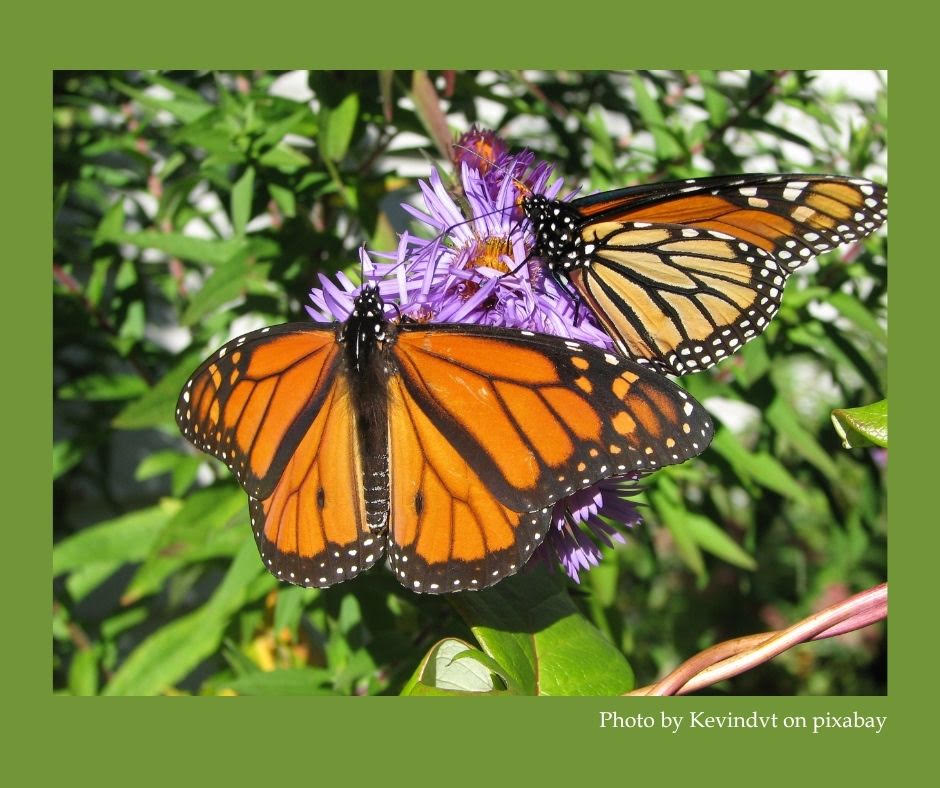
Houston is also on the monarch butterfly migration path. Some monarchs hang out here year round. Look out for the fall migration in the middle of October through the beginning of November.
Where to see these beautiful creatures:
In addition to being able to see birds and monarchs in your own backyard and in local parks and nature preserves, you can join one of the many migration events – including bird hikes and bird counting events hosted by local organizations and conservancies throughout migration season.
Birds:
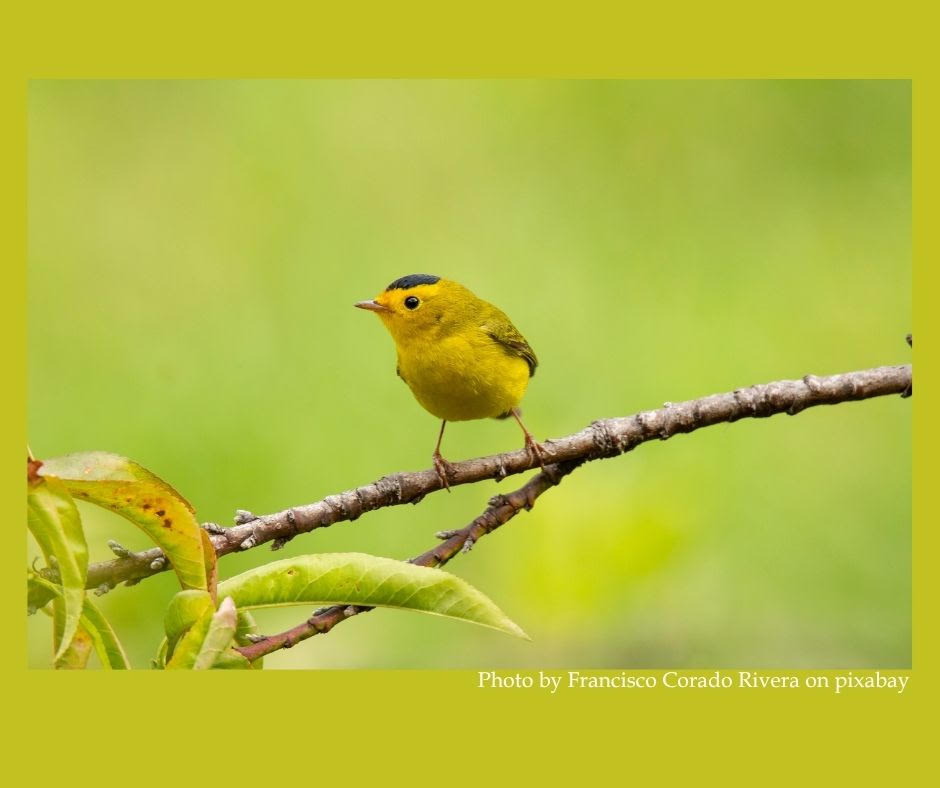
Interested in going on a birding adventure or helping with a bird count at one of our areas many beautiful conservation areas such as Exploration Green Conservancy, Edith L. Moore Nature Sanctuary, High Island Sanctuaries, Armand Bayou Nature Center, Houston Arboretum and Nature Center, Memorial Park, or Willow Waterhole ? Check out Birds Houston – formerly Houston Audubon’s calendar for upcoming events. And don’t miss Houston Bird Week 2026, September 10-26, which is jam packed with opportunities to see and enjoy our feathered friends in a variety of places.
Take a walk through Edith L. Moore Nature Sanctuary or just pick a spot and wait. Almost 200 species of bird have been sighted at Edith L. Moore over the years. It’s a great spot to see both native birds and those just passing through. The sanctuary also has a live bird cam that you can watch from home.
Stroll one of the many trails at Houston Arboretum and Nature Center, Woodland Park, or Buffalo Bayou Park or join a bird survey at Mercer Arboretum & Botanic Gardens.
Look for birds and monarchs at White Oak Bayou Association‘s West 11th Street Pocket Prairie or the Hogg Bird Sanctuary and many other Houston parks.
Coastal Prairie Conservancy has many opportunities to enjoy both native birds and overwintering water birds with bird walks, migration programs, and migration events. Bayou Land Conservancy leads bird walks every Monday and the first Saturday of the month.
Hummingbirds:
Want to see a lot of migrating hummingbirds up close and personal? Gulf Coast Bird Observatory is holding its annual Xtreme Hummingbird Xtravaganza on Saturday September 12th and Saturday September 19th. It’s a celebration of the Ruby-throated Hummingbird migration through our area where you will get to see hummingbirds up close, learn more about them, and participate in lots of fun activities.
Houston Arboretum and Nature Center gets a lot of hummingbird visitors at the many feeders they have as well as at the red Turk’s cap flowers near the Nature Center Building and the trumpet creeper flowers on the Outer Loop Trail. Find a good spot and sit and enjoy! For close-up views, make sure you bring your binoculars.
Monarchs:
Houston Botanic Garden is holding a Monarch Migration event October 12th.
How to help our flying friends as they migrate through:
It takes a lot of energy to fly from North America to Central and South America and birds and Monarch butterflies need a lot of fuel to do it. According to Cornell Labs, depending on the type and the temperature, on a normal day, birds need to eat up to 50% of their weight in food. Hummingbirds eat from 1.5 – 3 times their body weight in sugar water or nectar and tiny insects every day. And during migration, they all need more food.
You can help these flying beauties have a safe migration by:
- providing fresh water
- providing food
- for birds: bird seed, live mealworms, nuts, suet, and insects
- for hummingbirds: sugar water (see note below) and nectar rich plants
- for monarchs: lots of nectar rich flowers, milkweed (It is where they lay their eggs, as milkweed is the only food source for monarch caterpillars.)
- leaving dead material, stalks and leaves in at least a part of your yard to provide nests for insects that the birds need to eat
- planting native plants for birds, the insects they eat, and butterflies
- avoiding pesticide use
- keeping cats indoors
- turning off exterior lights (If you cannot turn off exterior lights, install shielded lights that direct the light downwards rather than skywards, and use warmer colored lights.)
- closing curtains to keep interior lights from shining outside
- preventing bird collisions with windows by making your windows something birds can see and thus won’t collide with through a variety of methods including putting decals on your windows, using interior or exterior curtains/netting, and more. See the US Fish & Wildlife Toolkit for making windows bird safe.
PSA about feeding hummingbirds safely:
It’s estimated that several thousand hummingbirds die every year from health problems caused by dirty feeders, spoiled sugar water, and toxic commercial nectar.
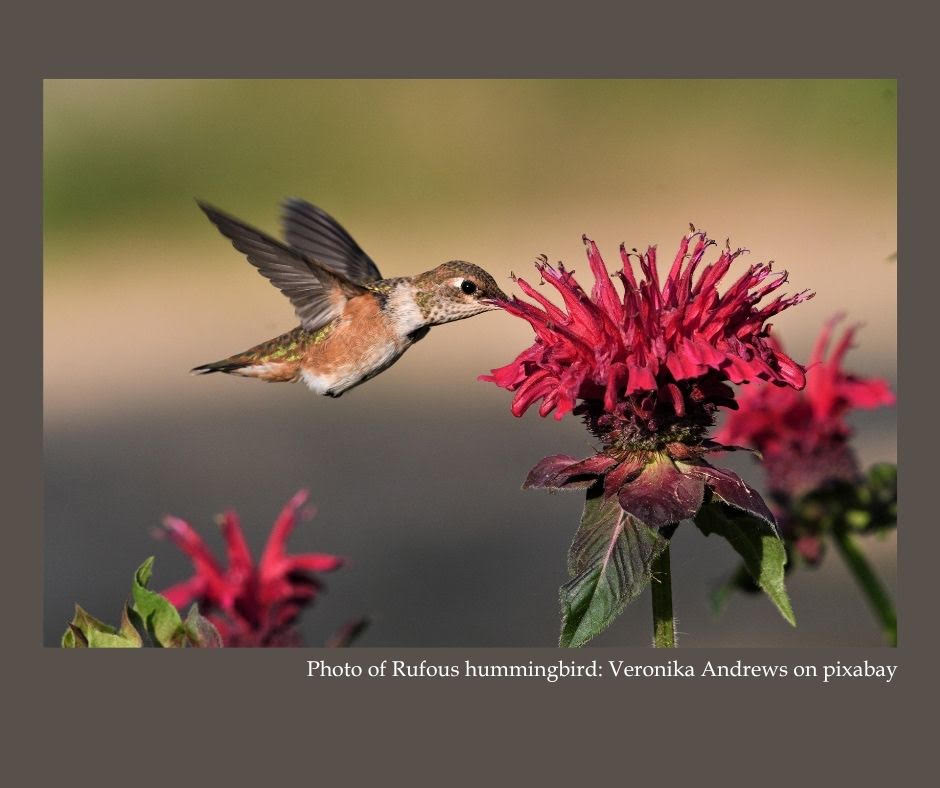
If you want to put up hummingbird feeders, do it in a way that is safe for hummingbirds:
- Use only granulated white cane sugar when preparing the food. Use 1 part sugar to 4 parts water
- If you heat the mixture to better dissolve the sugar, make sure it is completely cooled down before putting it in the feeder
- Thoroughly clean your feeder daily, particularly here in Houston where heat, humidity and ever-present mold spores can cause the sugar water to start growing mold/bacteria that can kill the hummers
- Whether you use hot water and soap or vinegar, make sure you completely rinse out any residue that could make the hummingbirds sick
- Do not use commercially made hummingbird food, brown sugar, honey, or artificial sweeteners in the feeder
- Do not use red dye
You can further help birds and monarchs by participating in citizen science — join local bird counts (see info on the Birds Houston – formerly Houston Audubon calendar) and report monarch sitings to Journey North: https://journeynorth.org/
Get out your binoculars and enjoy the beautiful creatures as they fly through!
Resources and References:
Info on Bird Migrations:
https://barrie.wbu.com/
https://www.allaboutbirds.org/
https://www.audubon.org/
https://www.fws.gov/story/
https://www.fws.gov/story/
Info specific to hummingbirds:
More interesting facts about hummingbirds:
https://hummingbirds.vetmed.
Information on specific species of hummingbirds, threats to hummingbirds, and a thorough list of things we can each do to help protect them.https://www.fws.gov/
More detailed information about the migration patterns of various hummingbird species:
https://www.audubon.org/
Info on hummingbirds in Houston, including an extensive list of native plants that will attract them:
https://houstonaudubon.org/
Photos and info on all hummingbirds seen in the U.S.:
https://abcbirds.org/blog21/
More hummingbird resources:
https://augusta.wbu.com/
https://journeynorth.org/tm/
https://journeynorth.org/tm/
https://journeynorth.org/
https://www.audubon.org/
Info on Monarchs and Monarch migrations:
https://journeynorth.org/
https://tpwd.texas.gov/