Meet Mia Belen Aguilar: CEC fall intern
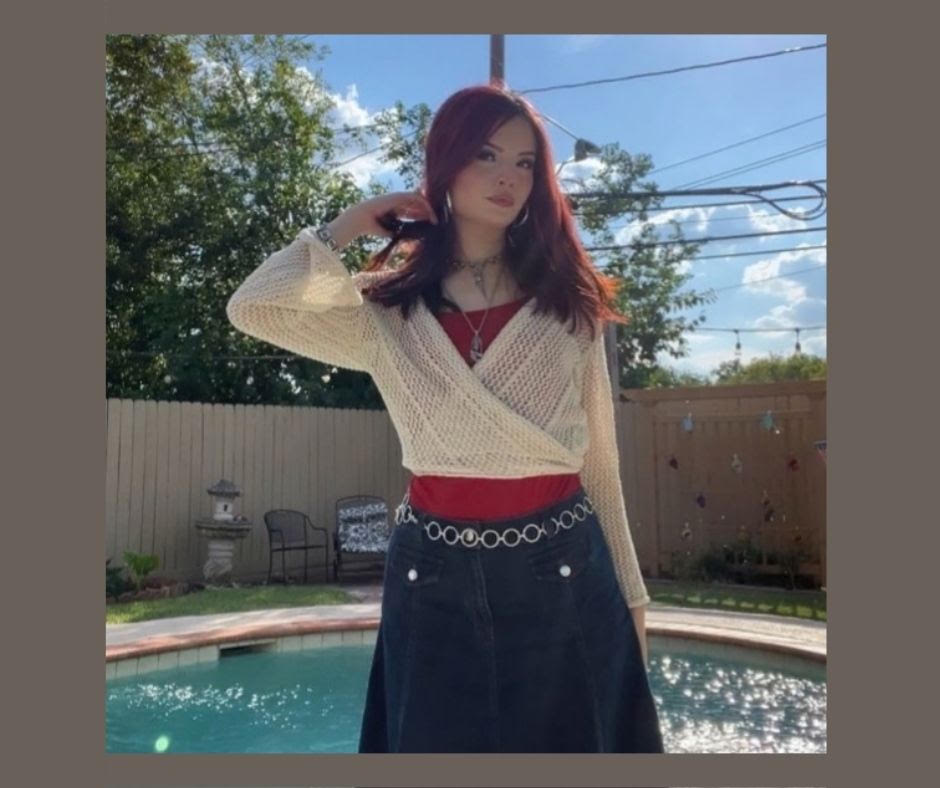
This fall, CEC is very fortunate to have Mia Aguilar, an intern from the Hobby School of Public Affairs Civic Houston Internship Program (CHIP) helping us put together our environmental voter guide for the upcoming Harris County Judge and Commissioner elections and developing sustainable events guidelines, among other things.
U of H’s Hobby School’s CHIP program offers internships with government offices, nonprofit organizations, campaigns, and the private sector to University of Houston students each fall and spring semester. In the 25 years of its existence, the program has placed more than 1700 interns in local offices throughout the greater Houston area.
Mia will be graduating in December 2026 from the University of Houston where she is majoring in public policy and minoring in legal studies. She plans to go on to law school to study environmental law after graduation.
Mia explained that though she started out in media studies and enjoyed immersing herself in the world of film, “I found myself stuck with a gnawing anxiety that I was meant to do something else. After vigorously searching through other options, I came across public policy- and it just felt right. . . . Growing up, I spent family dinners venting about my frustrations with corrupt politics, systemic inequalities, and the destruction of the planet in pursuit of capital. These are topics I remember caring about as early as age seven. . . .But in my passionate rants was an undercurrent of hopelessness.”
Public policy felt like a way to move beyond complaining about the state of the world to being a part of the change she wanted to see. “Less complaining, more doing. To me, public policy is about kickstarting change and solving problems. It is the process where grievances become solutions. . . It is incredibly fulfilling work- not for the potential solutions I can create for myself, but for the potential solutions I can create for my community and planet.”
Her choice of public policy as a major and her desire to go on to study environmental law have roots in two things: her love of nature and her personal experience with environmental injustices.
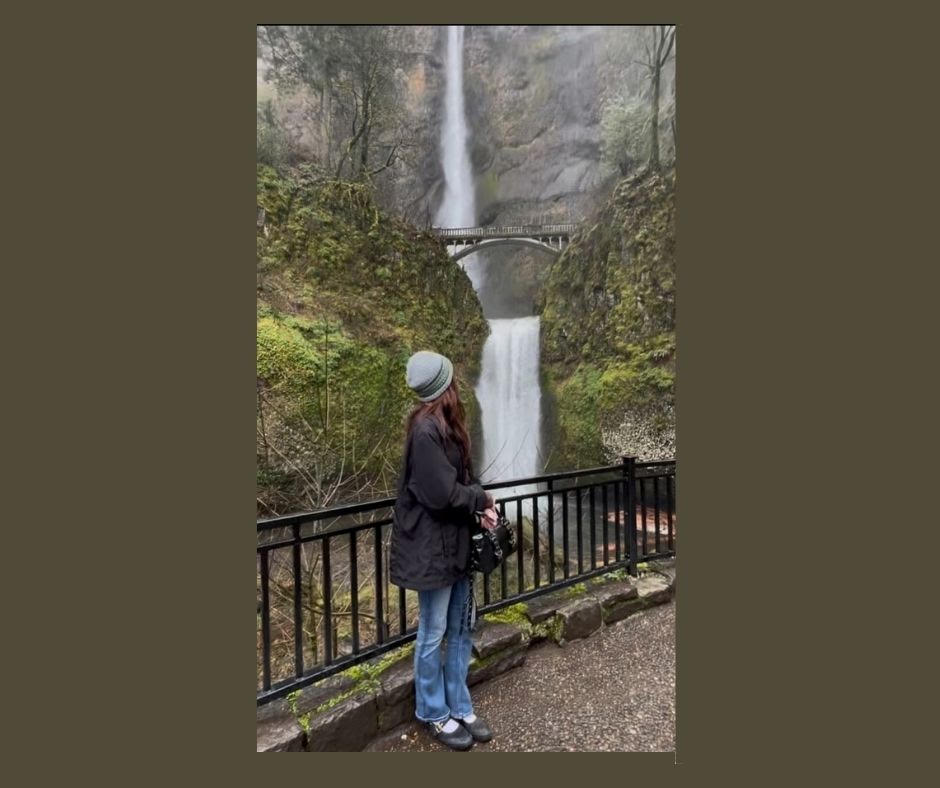
Growing up in “industrial Houston” made her appreciate what nature was available to her and recognize how important it is to human well-being. Though her favorite nature spots are places she has visited such as Mendocino Headlands State Park, Multnomah Falls, the Redwood Forests in Oregon, the entirety of San Francisco, the Canyons in Utah, and the mountains in Colorado, she pointed out, “I appreciate green spaces wherever I can find them. The space I visit most frequently is my backyard. I am fortunate enough to have a pool, greenery, and a view of a patch of forest beyond the fence. It is a place of peace for me. Every time I feel down or stressed, I sit outside, observe the ecosystem around me, and remind myself that I am a part of a beautiful system of life- the same system that the trees, and birds that reside within them, are a part of.”
She recognizes how fortunate she is to have access to the beauty of the natural world close to home because she has experienced a lot of loss of that world growing up. “I’ve watched the small patches of green spaces in my area dwindle over the years, replaced by gas stations, fast food restaurants, manufacturing buildings, and oil and gas plants. I watch clouds of pollutants released into the sky on my commute to school, read articles on the piles of toxic by-product dumped nearby the community center I grew up having birthday parties in and the baseball field I grew up playing on, and watch news stories detailing plans to build a hyper-scale data center not even a mile from my childhood home. A couple of months ago, over half the trees across the fence from me were cut down to make room for an industrial building in the works. When they cut the trees down, I cried. I don’t hear nearly as much lively chirping as I did before. It makes me incredibly sad but also reminds me why I want to pursue a career in environmental defense. I want to protect the spaces home to diverse ecosystems — the spaces tree-huggers like me find peace in.”
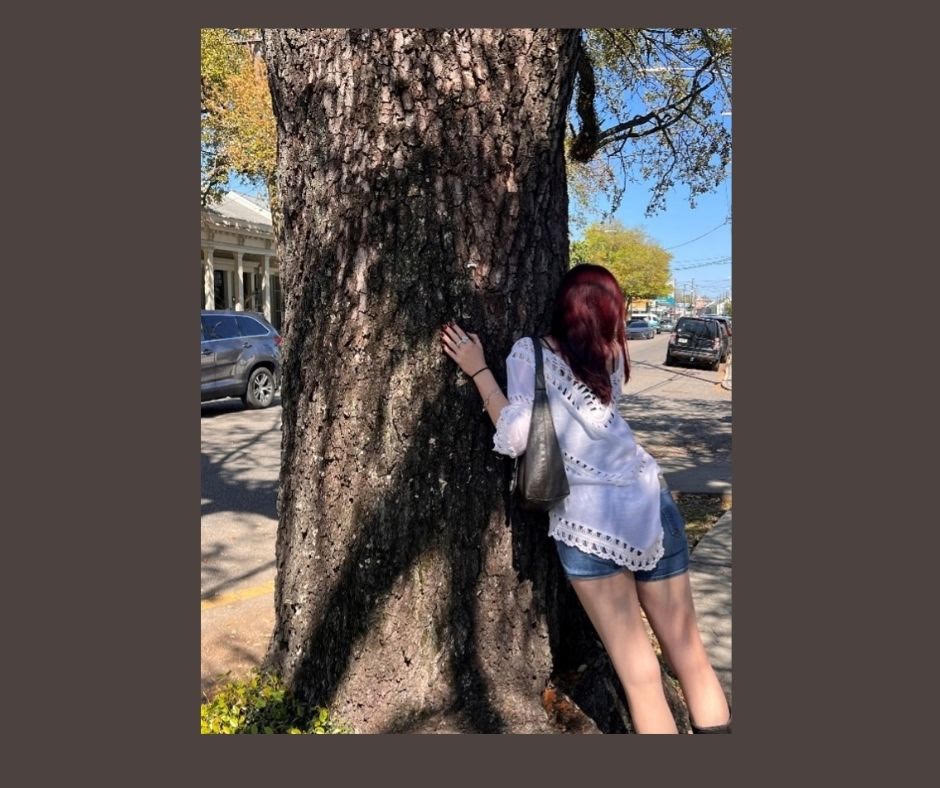
This recognition of the destruction and poisoning of ecosystems and the humans that are a part of them in less affluent parts of Houston made her keenly aware of environmental injustice: “I grew up wondering why these things don’t happen in rich areas like River Oaks- why the poor neighborhoods always seem to be those closest to the ugly manufacturing plants and why cancer clusters exist in areas like mine. I have to drive to the wealthier areas in Houston just to see neighborhoods lined with greenery and to find a full-fledged forest not encroached on by industry. This issue is important to me because I think everyone should have access to nature, thoughtfully designed infrastructure, clean air, and healthy lungs- not just the wealthy.”
Her understanding of the injustice of environmental destruction and her natural persistence and debating skills have led her to environmental law. “I am certain that the people closest to me would agree that I am an incredibly stubborn person and enjoy a good debate. These tendencies often awarded me comments like ‘you should be a lawyer’ growing up. At the time, these remarks felt like jabs with undertones meant to communicate that I was too vocal in my opinions or too argumentative. I reflect on these comments now and laugh because I see there is some truth to them.”
She plans to use the skills for which she was once critiqued to hold those who destroy and pollute our world accountable. “I look forward to the opportunity to trade questions like ‘how are corporations getting away with polluting communities, endangering ecosystems, and causing irreversible damage to our planet?’ for questions like ‘how can I prevent these things from happening?’ and ‘how can I make sure these corporate bodies are held responsible for the communities they have endangered?’”